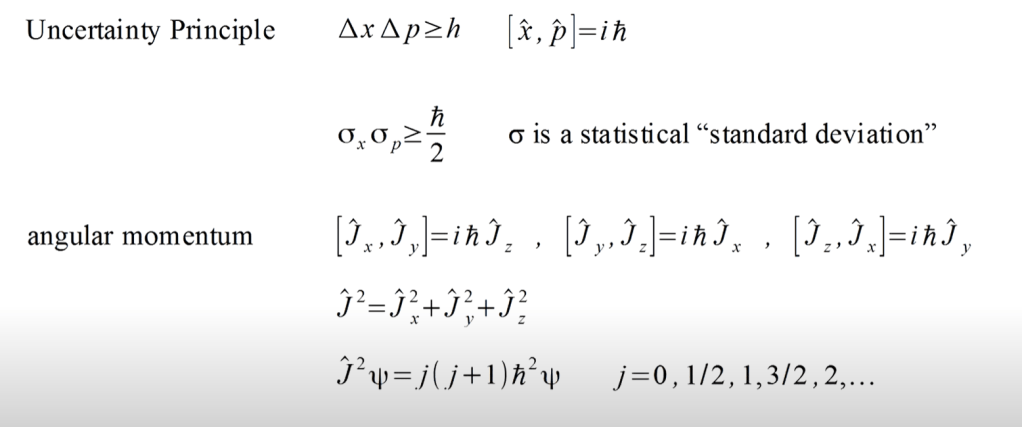
Starting from classical understanding of angular momentum:
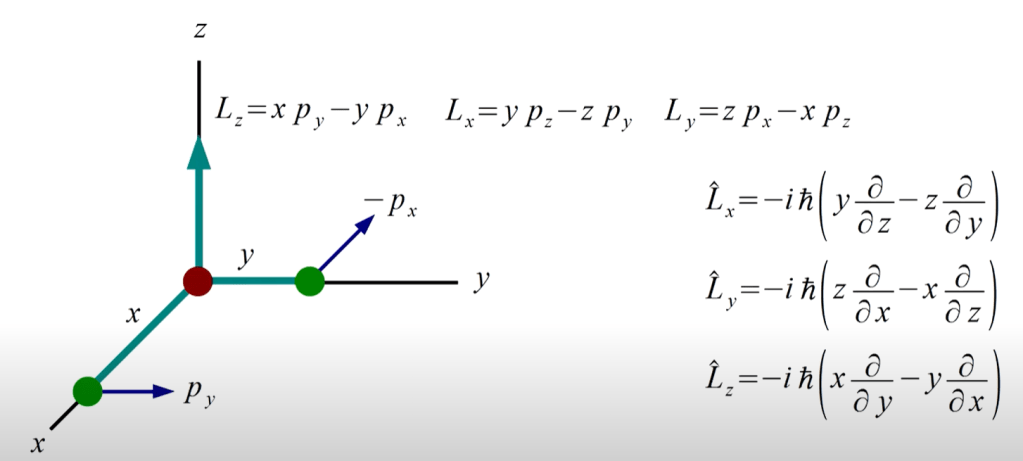
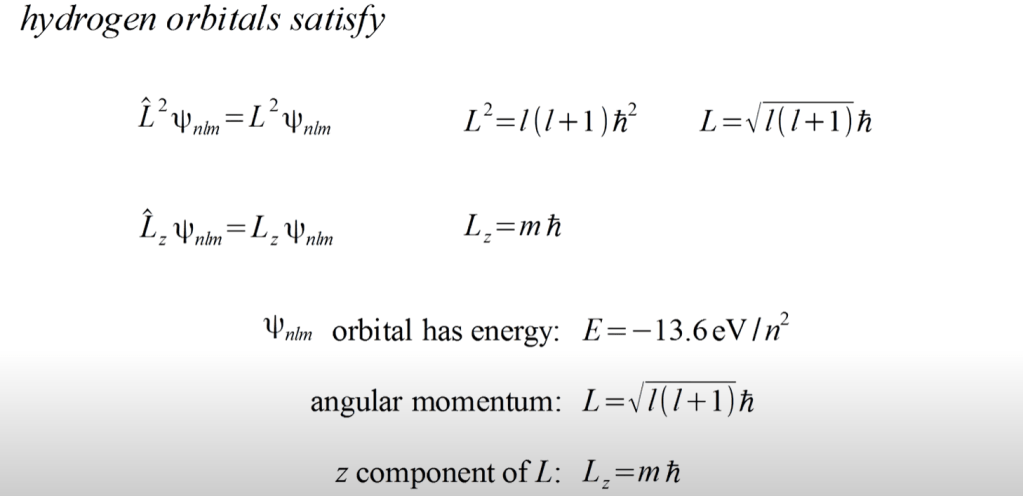
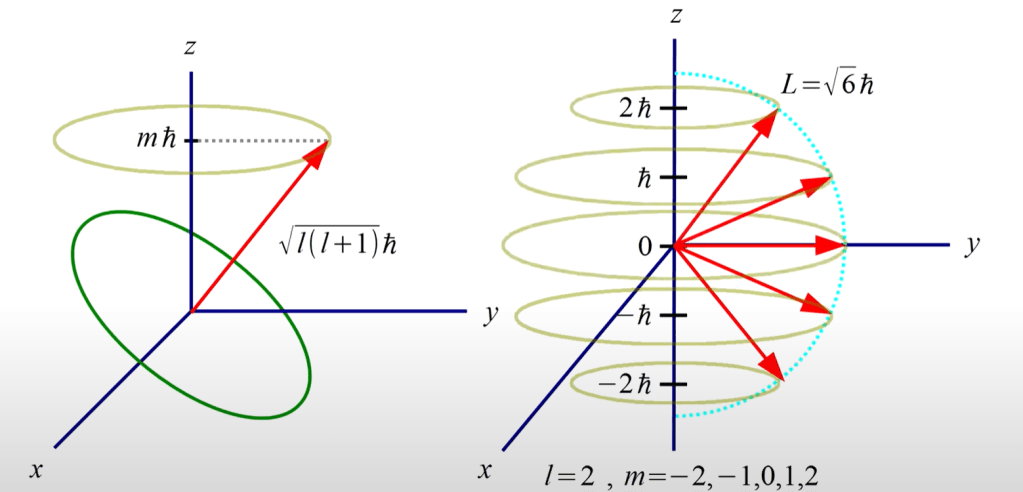
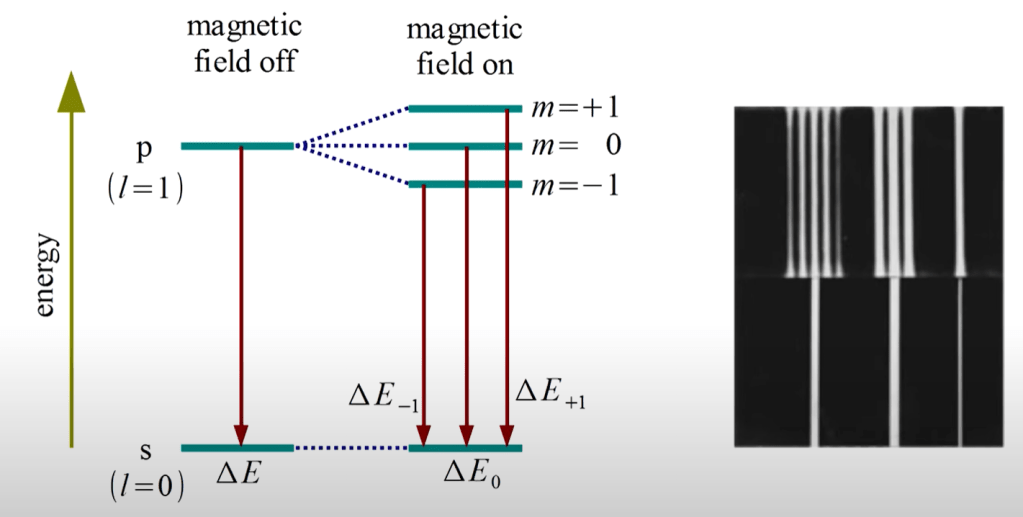
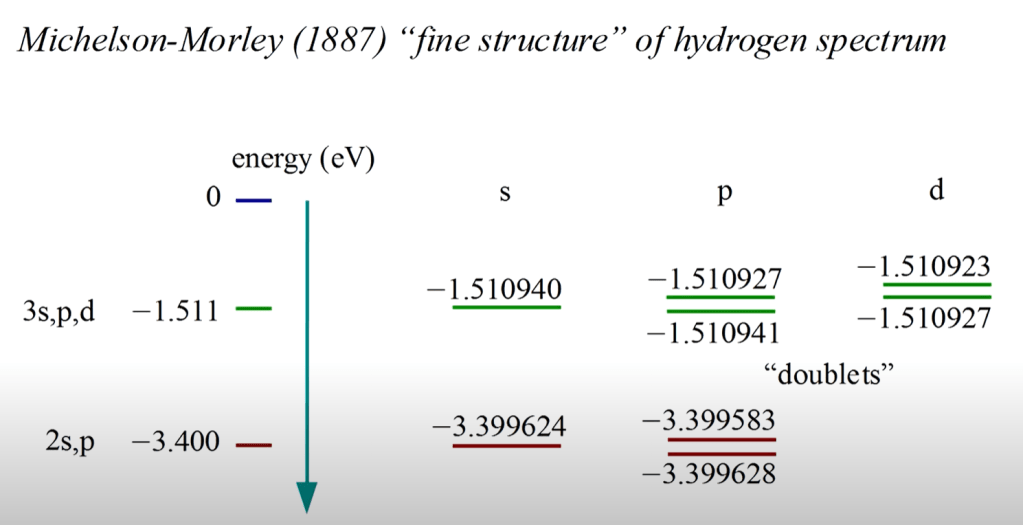
And there is the Zeeman effect: The Zeeman effect is the splitting or spreading of spectral lines when atoms are placed in a magnetic field. It is caused by the interaction between the magnetic field and the magnetic dipole moments of the electrons orbiting the nucleus.

Gyroscopic precession, often just called precession, is a phenomenon that occurs when a torque (a force causing rotation) is applied to a spinning object, like a gyroscope or a bicycle wheel. Instead of moving in the direction of the applied torque, the spinning object moves at a right angle to the direction of the torque due to its angular momentum. This can be a bit counterintuitive, but it’s a fundamental aspect of rotational dynamics.
storyline on esg theme and vender file restatement
Werner Heisenberg said, can nature possibly be as absurd as it seemed to us in these atomic experiments? what happens really in an atomic event? the term happens is restricted to the observation, we can not describe what happens between this observation and the next. the illusion that the kind of existence, the direct actuality of the world around us, can be extrapolated into the atomic range.

Michelson-Morley who did the famous Ether experiment and set the birth of Einstein’s relativity, also discovers the split phenomena of hydrogen spectrum
Another experiment using silver
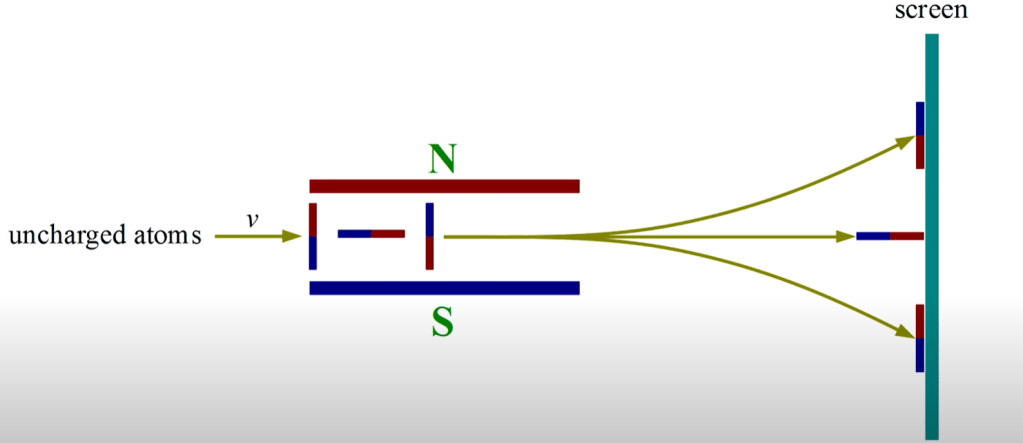
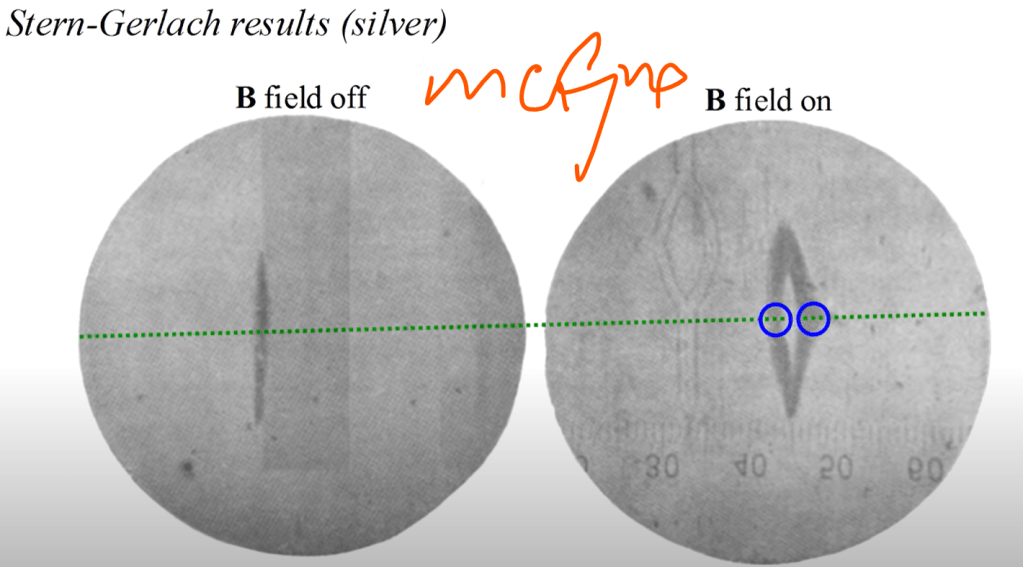
So Wolfgang Pauli said the electron has a “two valuedness not describable classically”. So since it displays two dipole effect, later, spin concept is introduced.
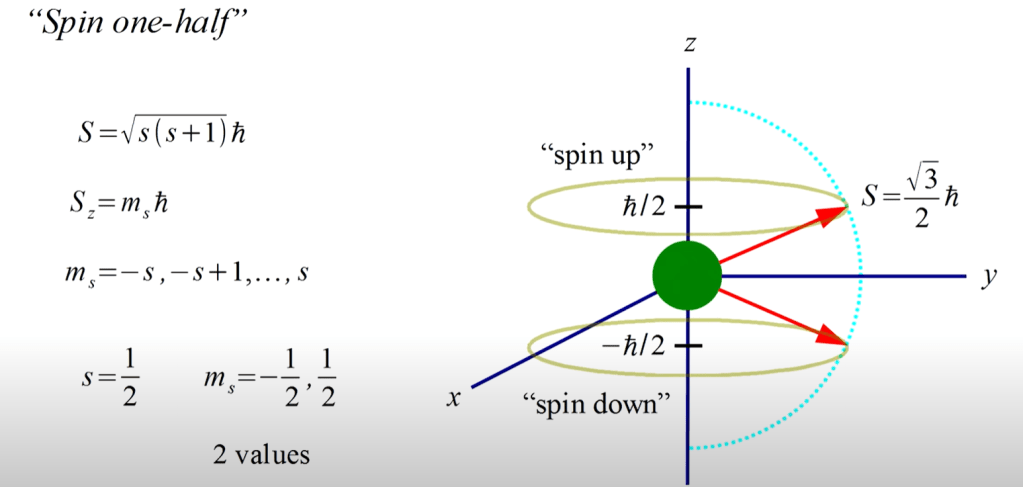
And it’s truly non-classical as Pauli stated. it’s actually an intrinsic property and by unit of half 1/2.

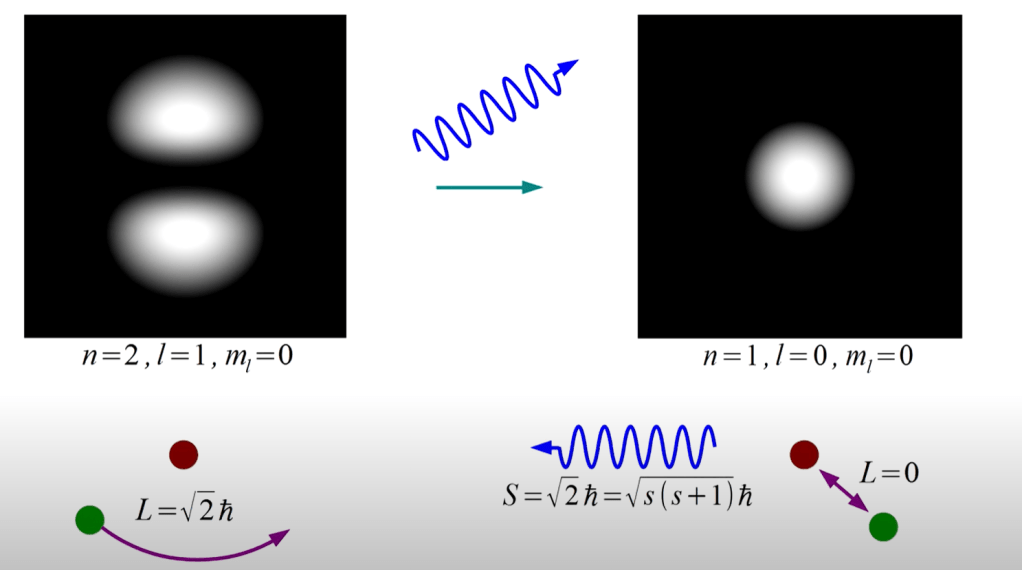
does energy linear momentum and angular momentum conserve in QM like in classical world? turns out the previous two is easy yes, but the third one,
 Naixian Zhang